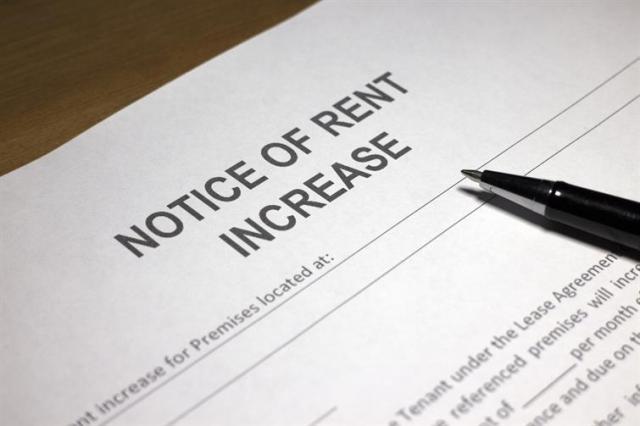
Section 13 will be the only way for landlords to raise rents when the Renters’ Rights Act becomes effective. Here’s how to prepare for the changes.
What is a Section 13 notice?
A Section 13 notice is a legal document that notifies tenants of a rent increase. They apply to periodic and not fixed-term tenancies. You can only use a Section 13 notice once per year, even if a fixed-term tenancy converts to a periodic tenancy.
Any rent increases proposed in a Section 13 notice must align with local market rates, and Tenants can dispute rent increases through the First-tier Property Tribunal if they think that the increase is unfair.
How can you serve a Section 13 notice?
Landlords — or letting agents on behalf of landlords — can serve a Section 13 notice by filling out Form 4 on the Government website with the following details:
- Tenant’s name and address
- Landlord/letting agent’s name, correspondence address, and contact number
- New proposed rent and the frequency it’ll be charged (week/month/year)
- Existing rent and the frequency it’s charged (week/month/year)
- The first date when rent increased (unless the tenancy is new)
- Starting date for the new rent increase (must not be earlier than 52 weeks after the date the last time rent increased)
- Current and updated council tax, water, and fixed service charges (if included in the rent)
- Landlord's or landlord’s agent’s signature
- Date
- While this process isn’t overly complex, problems arise when agents tackle Section 13 notices at scale.
Previously, landlords only needed to give one month’s notice of a rent increase in a Section 13 notice. Under the new legislation, however, they must provide two months’ notice.
How will these changes impact letting agents?
These changes are likely to impact letting agents in a few important ways.
Firstly, more Section 13 notices means more admin for agents. As a result of the new legislation, agents will also need to notify a tenant’s guarantors about the increase, making matters worse.
As landlords can only raise rent on a single date each year, agents need a scalable way to track them. After all, missing these intervals could leave your landlords out of pocket.
Finally, letting agents need to do everything possible to safeguard their landlords against rent appeals. This is because court backlogs are likely to increase exponentially due to the Renters’ Rights Act.
There are also no plans to backdate rent increases, even if the courts deem them fair. Industry experts fear that this incentivises tenants to appeal, as they can guarantee lower rents for longer.
These three factors make it essential that your agents are:
- Confident of serving Section 13 notices
- Enabled with the right technology