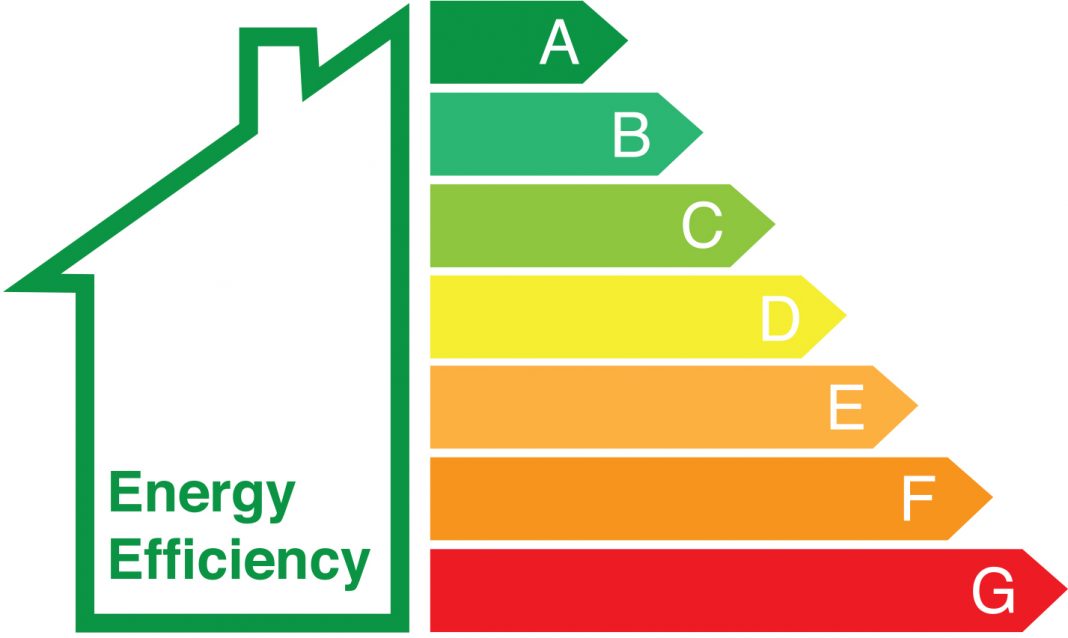
A leading lettings and estate agency claims that both landlords and tenants are struggling to engage with the Energy Performance Certificate system, raising serious questions about its usefulness in future.
LRG – formerly Leaders Romans Group – says while landlords overwhelmingly support the principle of improving energy efficiency, confidence in the system designed to drive those improvements is faltering.
The government has reaffirmed its ambition for all privately rented homes to reach EPC C by 2030, with new tenancies expected to comply from 2028. The consultation on minimum energy efficiency standards closed in May 2025, and while many expect a phased rollout (possibly to 2033 or even 2035), the agency says the direction of travel is clear. Energy efficiency is shifting from ambition to requirement.
LRG’s latest research shows almost seven in 10 landlords believe EPC rules should take into account the level of control they have over a property, particularly in leasehold flats and converted buildings, rather than applying uniformly across all property types. However, only 16% of landlords say they are very confident in the current EPC ratings, and even fewer trust the advice provided within them.
More than one in five landlords admit they either don’t understand the EPC advice or are unsure whether it’s relevant. Among those whose properties are not yet compliant, over a quarter say they would consider selling their property rather than upgrading it. This aligns with recent findings from the National Residential Landlords Association which suggest that 40% of landlords would exit the market if EPC upgrades were to reach £10,000 per property.
Although 42% of LRG respondents say their rental homes already meet EPC C, a further third say they would only upgrade with financial support or not at all.
LRG says existing financial support schemes are often postcode- or eligibility-restricted and frequently undersubscribed, leaving many landlords uncertain and under-supported. “As the system stands, landlords are not only wary of the cost, but they are also unconvinced by the process” explains LRG.
Tenants show similar signs of disengagement.
In LRG’s survey, just one in four said the EPC influenced their decision to rent a home.
A further third said they were aware of EPCs but paid no attention to them, while half of all tenants didn’t understand EPCs. When asked if they’d be willing to pay more for an energy-efficient property, 67% of tenants said they’d rather keep the rent low.
Only a third said they would accept a modest increase for better energy performance. The agency says that’s despite wider industry research showing that up to 80% of renters now say energy efficiency is a key consideration when choosing where to live, and 70% say it influences whether they renew a tenancy. “There’s an apparent mismatch between tenant attitudes in principle and their experience in practice” suggests LRG.
Allison Thompson, national lettings managing director at LRG, said “landlords aren’t resistant to energy improvements; many are already making them. However, EPCs in their current form don’t provide landlords with the confidence or clarity they need to act. The ratings often feel inconsistent, the advice is vague, and the cost of compliance remains unclear.
We also need to bring tenants into the conversation. Currently, most renters are unfamiliar with EPCs or have never considered them. That tells us the current system isn’t just underperforming, it’s invisible to half the market. If EPCs are going to play a central role in decarbonising UK homes, we need practical reform, not just political. That means improving quality, incentivising investment, and rebuilding trust.”
Energy assessors call for reform of EPCs
The Property Energy Professionals Association (PEPA), the trade association representing Energy Assessor Accreditation Schemes, says there’s an urgent need for reform of Energy Performance Certficates.
The government has reaffirmed its ambition for all privately rented homes to reach EPC C by 2030, with new tenancies expected to comply from 2028. The consultation on minimum energy efficiency standards closed in May 2025, and while many expect a phased rollout (possibly to 2033 or even 2035), the agency says the direction of travel is clear. Energy efficiency is shifting from ambition to requirement.
Previously LRG – formerly Leaders Romans Group – issued a statement saying that while landlords overwhelmingly support the principle of improving energy efficiency, confidence in the system designed to drive those improvements was faltering. A survey by LRG of its clients revealed that only 16% of landlords were “very confident” in the current EPC ratings, and even fewer trusted the advice provided within them.
Now PEPA says that it acknowledges the concerns raised by LRG and landlords, and accepts that the lack of confidence “underscores whew urgent need for reform and clarity.”
However, it says it is important to recognise that two consultations are currently underway, which it says will shape the future of energy assessment and compliance in the private rented sector.
The first is an EPC Reform consultation, which remains open, with the final structure and metrics of any new EPC yet to be confirmed. PEPA says it has long demanded reform that delivers more accurate, actionable, and building-specific insights.
It says “these reforms are essential to help landlords understand their properties in sufficient detail to plan for Minimum Energy Efficiency Standards compliance and broader decarbonisation goals. We urge government to accelerate this process—landlords, tenants, and energy professionals alike need clarity and consistency.”
The second consultation, going, concerns MEES regulations for the private rental sector.
PEPA says “Wwthout confirmed details, energy assessors are limited in their ability to provide robust advice to landlords and letting agents. The industry needs clear guidance on what will be required, how compliance will be measured, and what support will be available. PEPA is actively working with government departments to ensure that this information is released as soon as possible.
Further to this, we also await details on the government’s Warm Homes Plan which promises to bring billions of pounds of additional funding to the sector, which will hopefully assist landlords to meet minimum standards.”
The association insists that it and its member schemes will be “at the forefront of delivering training, raising awareness, and supporting energy professionals to interpret and apply the new standards effectively. We are committed to ensuring that landlords receive consistent, high-quality advice that empowers them to make informed decisions about their properties.”